Severe Weather Dynamics & Boundary Layer Processes
Convective initiation and BL support for severe-storm programs
Convective Initiation
Analyzing how boundary layer dynamics (e.g., moisture surge, low-level wind shear, and boundary layer rolls) impact the timing and location of thunderstorm initiation.
Support for Severe Storm Initiatives
Providing boundary layer observational and modeling support for major field programs focusing on severe storms and tornadogenesis, such as VORTEX-SE.
People
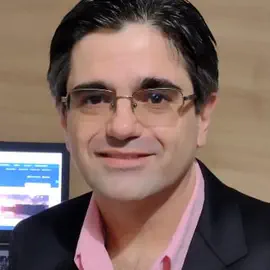
Dr. Otavio Acevedo
Associate Professor

Dr. Tyler M. Bell
Assistant Professor

Dr. Joshua G. Gebauer
Research Scientist

Dr. Jeremy A. Gibbs
Research Meteorologist
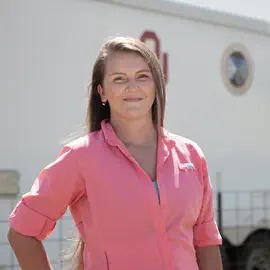
Dr. Elizabeth N. Smith
Research Meteorologist
Related field campaigns
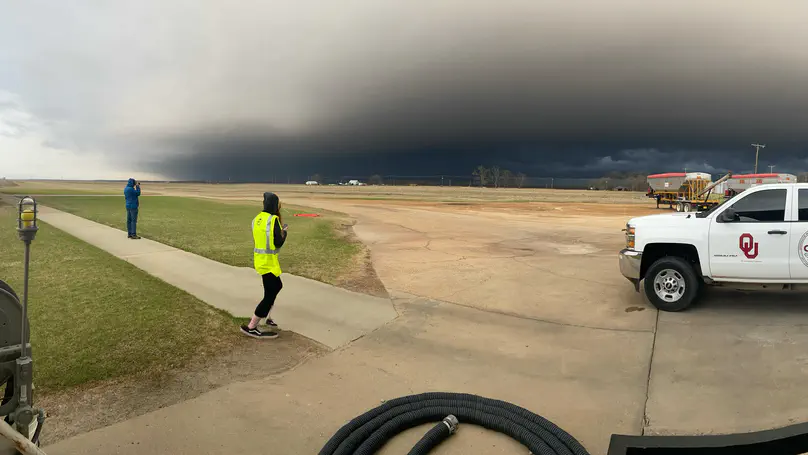
Summary PERiLS is one of the largest severe storms field campaigns taken on by the meteorological community. Set in the Southeast United States in the late winter to early spring months of 2022 and 2023, dozens of instruments from NOAA and mulitple research institutes and univeristies will be deployed hoping to gather more information about quasi-linear convective systems, or QLCSs.
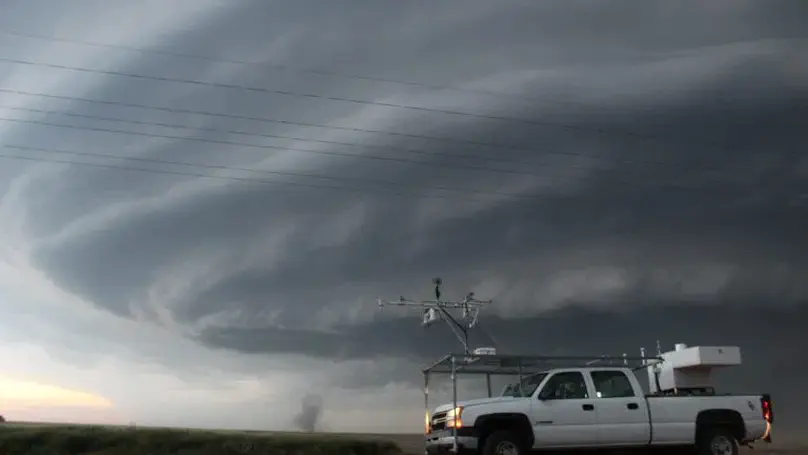
Summary More than 50 researchers and students are deploying a wide-ranging suite of instruments to collect data on supercell thunderstorms across the Great Plains. The TORUS project aims at understanding the relationships between severe thunderstorms and tornado formation.
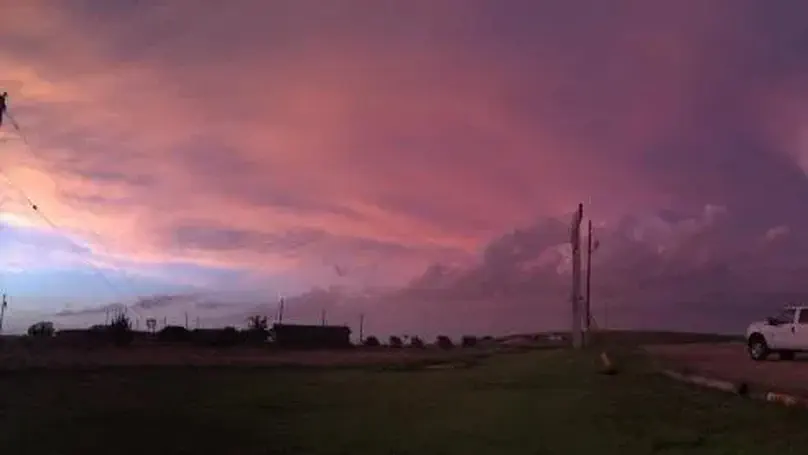
Summary “Mini-MPEX” continues some of the goals of the MPEX project (2013) to explore real-time targeting of pre- and near-storm observations to improve numerical model forecasts of thunderstorms. NSSL’s CLAMPS atmospheric profiling system was used in the field in 2016–17, deploying 28 times on 20 days over the two years.
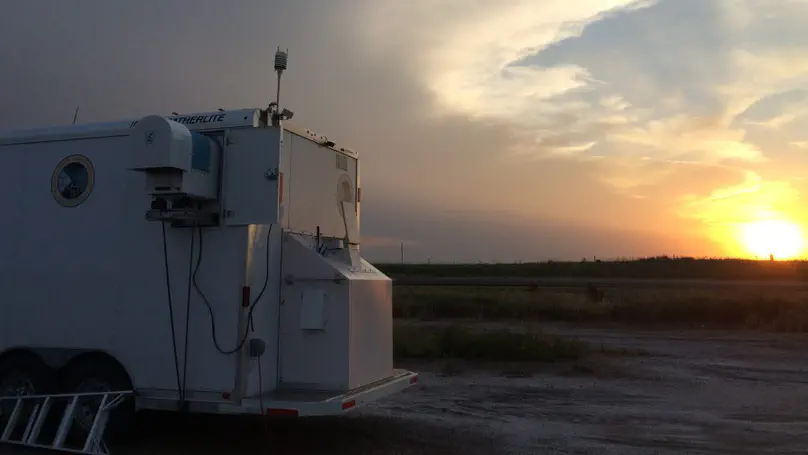
Summary PECAN was the first campaign to focus expressly on nocturnal convection initiation (CI) and MCSs and their environment. There were 5 main focus areas: CI Bores Low-level jets MCSs storm- and MCS-scale NWP Funding Agencies NSF NASA NOAA DOE Platforms CLAMPS1 WYO King Air NCAR S-PolKa 3 DOWs 3 NCAR ISS 449 Profiler NASA DC8 NOAA P3 SMART-Rs RAXPOL NOXP FM-CW radar MAX, Mobile mesonets MIPS Tethersondes AERIs Water Vapor lidars wind lidars